
Leave Your Message
Explore our signature collection of museum-grade interior art installations — precision-crafted to elevate every exhibit space with aesthetic impact and structural integrity.
Custom 3D sculptural props engineered for museum interior art exhibits with precision finish.
View Details →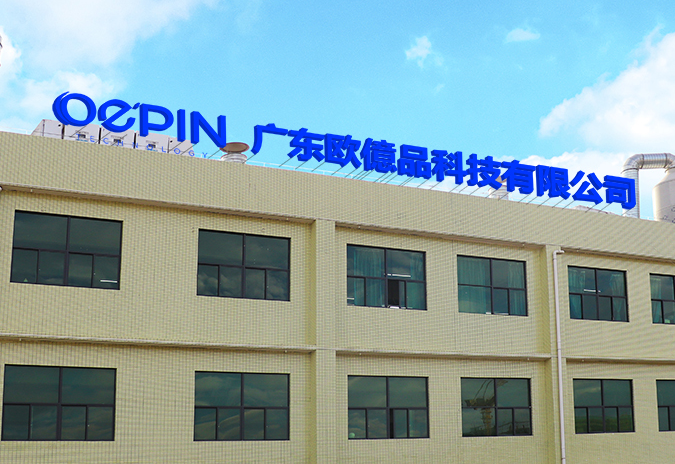
High-fidelity mannequin display props for cultural history and fashion museum installations.
View Details →
Lightweight yet durable GRP fiberglass props for large-scale interior art installations.
View Details →
Precision hardware fittings designed for modular museum exhibit assembly and installation.
View Details →Interior art installations for museum exhibits have evolved far beyond traditional display cases and wall-mounted artwork. Today, they represent a sophisticated intersection of industrial manufacturing, digital technology, spatial design, and cultural storytelling. As museums worldwide compete to attract increasingly experience-driven audiences, the demand for immersive, custom-engineered interior installations has surged dramatically.
🏛️ The global museum display and exhibit manufacturing market is projected to exceed $12 billion USD by 2028, driven by rising cultural tourism, institutional investment in visitor experience, and the integration of smart interactive technologies into physical installations.
The commercial production of interior art installations for museum exhibits is a highly specialized manufacturing segment. It spans multiple material disciplines — including plastics engineering, fiberglass reinforced polymer (FRP/GRP) fabrication, precision metalwork, and advanced surface finishing — all converging to produce display solutions that meet the exacting aesthetic and structural standards of museum-grade environments.
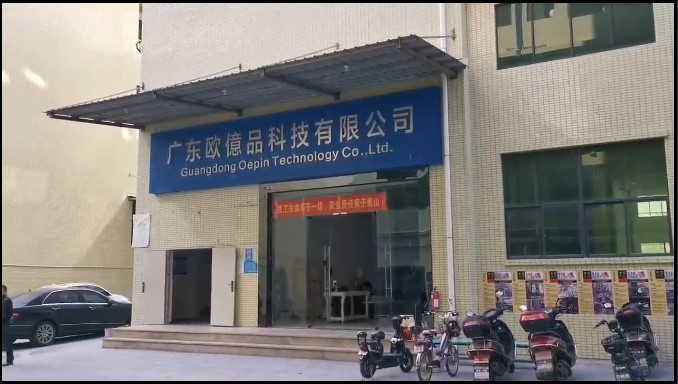
Leading manufacturers like Guangdong Oepin Technology Co., Ltd. operate large-scale facilities exceeding 20,000 square meters, integrating production, quality assurance, and logistics under one roof. This vertically integrated model allows for faster turnaround, tighter quality control, and the ability to serve both domestic and international museum clients with complex, bespoke installation requirements.
Industrial demand is further fueled by the rapid expansion of new cultural institutions across Asia, the Middle East, and Southeast Asia — regions where governments are investing heavily in museum infrastructure as part of cultural diplomacy and tourism development strategies. China alone has opened over 1,000 new museums in the past decade, each requiring purpose-built interior art installations.
Interior art installations serve a remarkably diverse range of museum exhibit contexts. Understanding these application scenarios is critical for manufacturers, curators, and exhibit designers alike:
The next generation of interior art installations for museum exhibits is defined by the seamless integration of digital and physical elements. Manufacturers are now engineering display props with embedded LED lighting systems, sensor-activated interactive components, augmented reality (AR) trigger surfaces, and IoT-connected monitoring systems that alert curators to environmental changes affecting sensitive artifacts.
3D printing technology — already employed by manufacturers like Oepin for rapid prototyping — is increasingly being used for the final production of complex sculptural elements that would be prohibitively expensive to fabricate through traditional methods. This democratizes access to high-quality custom installations for smaller museums and cultural institutions with limited budgets.
Environmental sustainability has become a non-negotiable consideration in the specification of museum interior installations. Curators and procurement teams increasingly require documentation of material sourcing, VOC emissions data for paints and finishes, end-of-life recyclability plans, and carbon footprint assessments for large installation projects. Forward-thinking manufacturers are responding with bio-composite materials, water-based finishing systems, and modular designs that allow installations to be reconfigured and reused across multiple exhibit cycles rather than discarded.
The museum exhibit installation industry is undergoing rapid transformation. Here are the defining trends driving innovation in 2024 and beyond.
Artificial intelligence is being deployed to optimize sculptural geometries for structural efficiency, generate concept visualizations from curatorial briefs, and automate CNC machining pathways for complex installation components.
The boundary between physical installations and digital environments is dissolving. Projection mapping, AR overlays, and spatial audio integration are now standard specifications in high-profile museum exhibit briefs.
Leading manufacturers are adopting closed-loop production models — using recycled composite materials, designing for disassembly, and offering take-back programs for decommissioned exhibit installations.
Museums are prioritizing modular installation systems that can be rapidly reconfigured for temporary exhibitions, reducing both cost and environmental impact compared to single-use custom builds.
Advances in surface coating technologies — including photorealistic digital printing on 3D substrates and hand-applied patination techniques — are enabling unprecedented levels of material authenticity in replica installations.
Post-pandemic, major museum projects are increasingly sourcing from manufacturers with robust domestic supply chains and proven export logistics capabilities to mitigate disruption risk.
Universal design principles are being embedded into installation specifications — ensuring exhibits are physically and experientially accessible to visitors of all abilities, from tactile elements to height-variable display configurations.
Guangdong Oepin Technology Co., Ltd. is a professional manufacturer of plastic products, hardware fittings, display supplies, clothing model props, display props, and other products. Also involved in glass fiber reinforced plastic products manufacturing; plastic products industry; handicrafts, furniture manufacturing and other fields. The factory covers an area of more than 20,000 square meters, is equipped with production, sales, service in one of the comprehensive enterprise.
With the concept of serving human health with science and technology, guaranteeing the quality of products as a prerequisite, adhering to the corporate culture of "scientific truth-seeking, moving forward", and relying on its professional technical level, rich product range and perfect service, Oepin provides customers with high-quality and environmentally friendly products for display props.
Oepin promotes development in innovation and pursues excellence in development. With the tenet of "honesty, mutual benefit, high efficiency and high quality", the company is dedicated to serving our customers with advanced management, good service and high performance.
3D printing technology can produce samples in 7 to 10 days, enabling fast concept validation for museum exhibit installation projects.
The sophisticated testing equipment and quality control processes result in superior deliverables that meet museum-grade standards.
Our team has accumulated a wealth of experience in designing and manufacturing plastic products, hardware accessories, display supplies, and clothing model props. This sets us apart.
A strong production team and a well-established transportation process as well as excellent suppliers ensure that we always deliver on time.
From sculptural centerpieces to modular display systems, our full product range covers every requirement for professional museum interior art installations.
Full-environment scene-setting installations for history and natural history museum exhibits.
View Details →
Bespoke sculptural props for contemporary art galleries and museum interior installations.
View Details →
Adjustable mannequin systems for fashion, cultural, and heritage museum exhibit displays.
View Details →
Reconfigurable modular fixtures for flexible museum interior art installation layouts.
View Details →
Museum-grade GRP replica props for paleontology, archaeology, and cultural history exhibits.
View Details →
Tactile and sensor-integrated display props for children's museums and discovery centers.
View Details →
High-end display installations for corporate heritage museums and brand experience centers.
View Details →
Precision hardware accessories and structural fittings for museum interior art installation assembly.
View Details →